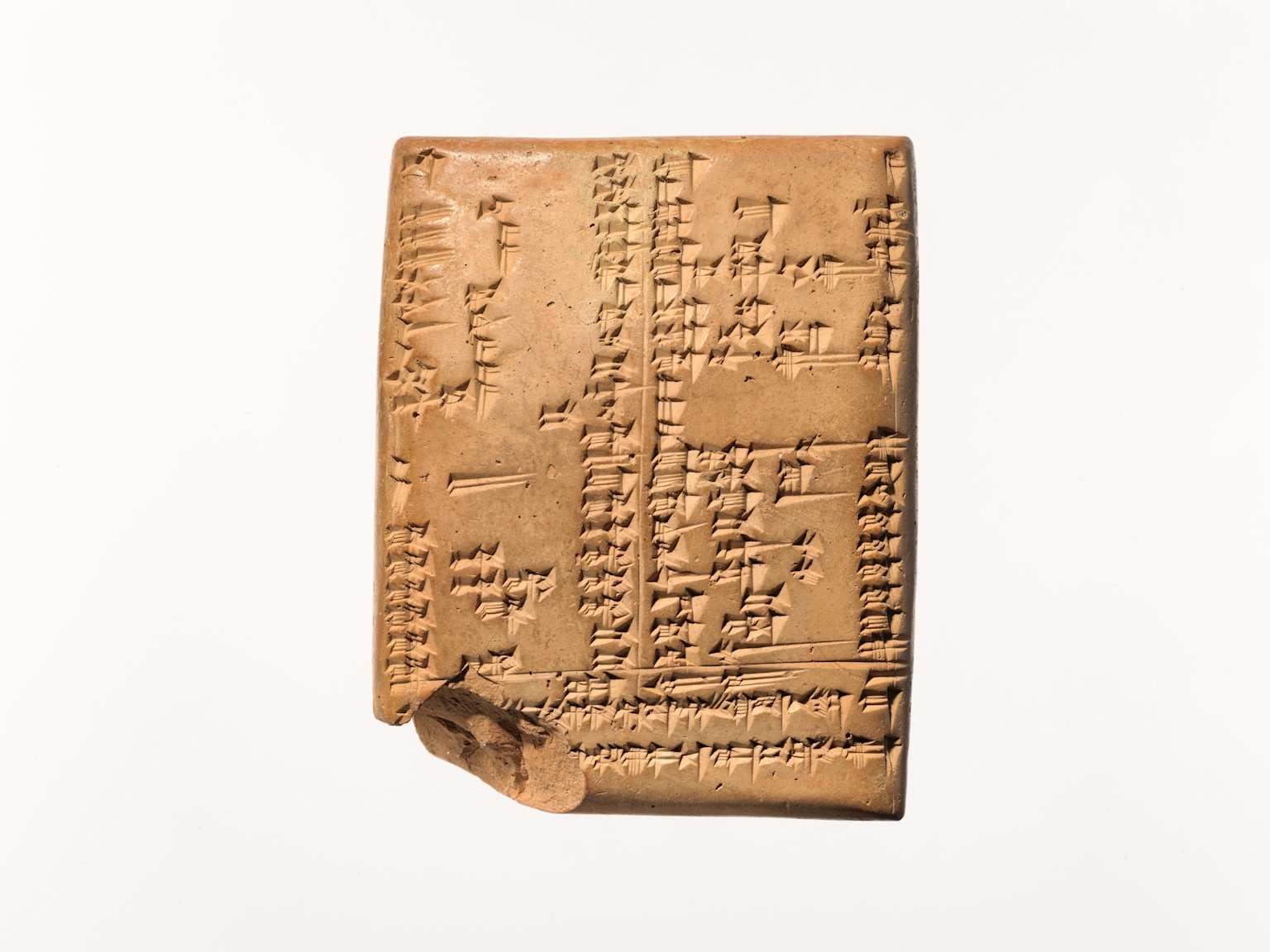
Most people assume language learning started with printed books. It didn't. The earliest known materials for studying a foreign language date to ancient Mesopotamia, around 2000 BC, and they were clay tablets.
In Babylon, scribes inscribed clay tablets with parallel verb forms in both Akkadian and Sumerian. These weren't casual notes - they were structured teaching tools designed to help students master a second language. Linguists consider them the earliest recorded example of formal grammar instruction.
In the Greco-Roman world, bilingual dictionaries, grammar guides, and dialogue books followed, used to teach Greek and Latin as foreign languages. Many didn't survive intact, which makes it hard to identify any single work as definitively the first.
For something closer to a modern classroom textbook, you have to jump to Renaissance Europe. In 16th-century England, Henry VIII commissioned Rudimenta Grammatices - a standardized Latin grammar book mandated for all schools. It was the first government-approved language textbook in history.
The point is that people have been trying to systematically teach foreign languages for at least 4,000 years. The tools have changed - clay tablets to printed grammars to audio and interactive exercises - but the problem has always been the same: how do you help someone understand and produce a language that isn't their own?